
Essential Reptile Care Tips
Proper habitat and care are key to keeping your reptiles healthy and active
Feeding Guidelines and Nutritional Needs for Reptiles
Key Factors for Setting Up Your Reptile’s Environment
Reptile Health and Preventative Care
Essential Reptile Supplies for Healthy Pets & Habitats
Explore our curated selection of quality Food and Medication designed to support your reptile’s well-being and comfort.
Start Here
The One Thing Most New Reptile Keepers Get Wrong
Reptiles are ectotherms, meaning they rely entirely on their environment to regulate body temperature. A basking spot a few degrees too cool will slow digestion until food sits and rots in the gut, and no amount of quality feeder insects fixes that. Heat is not a comfort setting for a reptile, it is the engine that runs the animal.
Get the temperatures right and most other problems solve themselves. The guide below covers the numbers for the five species we stock most often in Huntsville.
Reptile Setup Buying Guide for Ontario Keepers
Most reptile problems traced back through our door start as equipment problems, not animal problems. A reptile that will not eat, sheds badly, or hides constantly is usually telling you something about its heat, humidity, or lighting. Get those three right at the start and the rest of the hobby is straightforward. This guide covers what a first setup actually needs, sized for the species we most often stock in Huntsville.
Heating comes first
Reptiles digest food using external heat. A basking spot that is a few degrees too cool will slow digestion until food rots in the gut, and no amount of quality feeder insects fixes that. Every enclosure needs a warm end and a cool end so the animal can choose, and every heat source needs a thermostat. An unregulated heat mat or ceramic emitter is the single most common cause of burns we see. Measure the basking surface itself with an infrared temperature gun rather than trusting the dial on a stick-on gauge.
| Species | Basking surface | Cool end | Night |
|---|---|---|---|
| Bearded dragon | 38 to 42 C | 24 to 27 C | 18 to 21 C |
| Leopard gecko | 32 to 35 C floor | 22 to 25 C | 18 to 21 C |
| Crested gecko | No basking lamp needed | 20 to 26 C | 16 to 20 C |
| Ball python | 31 to 33 C | 24 to 27 C | 21 to 24 C |
| Corn snake | 29 to 32 C | 22 to 25 C | 18 to 22 C |
Lighting and UVB
Day-active lizards such as bearded dragons need UVB to make vitamin D3 and absorb calcium. Without it they develop metabolic bone disease, which is painful, permanent, and entirely preventable. Use a linear T5 tube rather than a compact coil, mount it across roughly two thirds of the enclosure length, and replace it every twelve months even though it still emits visible light. UVB output falls off long before the bulb burns out.
Nocturnal and crepuscular species have lower requirements. Leopard geckos and ball pythons do well with properly supplemented food, though low-level UVB benefits them too. Crested geckos need no basking lamp at all, which makes them one of the easiest species to keep in a cool Muskoka home.
Humidity and shedding
Bad sheds are a humidity readout. A ball python that leaves patchy skin behind, or a leopard gecko with stuck skin around its toes, is telling you the enclosure is too dry. Ball pythons want 55 to 65 percent, rising toward 70 during a shed cycle. Crested geckos want a nightly misting that brings humidity to 70 or 80 percent and then dries back down. Bearded dragons want the opposite, staying below 40 percent, since sustained damp air causes respiratory infection in a desert species.
A humid hide, meaning a small covered box with damp sphagnum moss inside, solves shedding problems for almost every species without raising humidity across the whole enclosure. It costs very little and prevents a lot of vet visits.
Enclosure size and substrate
Buy the adult enclosure now rather than upgrading twice. An adult bearded dragon needs a minimum of 120 by 60 by 60 centimetres. An adult ball python or corn snake needs at least a 120 centimetre long footprint. Crested geckos climb rather than roam, so height matters more than floor space, and a 45 by 45 by 60 centimetre vertical terrarium suits an adult.
Avoid loose sand for juvenile leopard geckos, since swallowed grains cause impaction. Paper towel is the safest substrate while an animal is settling in and lets you monitor droppings. Once the animal is feeding reliably, a bioactive substrate seeded with isopods and springtails handles waste breakdown on its own and can go months between deep cleans.
Feeding and supplements
Variety beats any single feeder insect. Crickets, dubia and discoid roaches, superworms, and mealworms each bring a different fat and protein profile, and rotating them keeps a reptile interested and better nourished. Gut load feeders with vegetables for a day before offering them, so the nutrition passes through to your animal. Dust with calcium containing vitamin D3 at most feedings for growing animals, and use a multivitamin roughly once a week.
Snakes are simpler. Frozen thawed rodents are safer than live prey, which can injure a snake that is not hungry, and they store easily. Thaw in the refrigerator and warm to body temperature before offering.
What to buy first
If you are starting from nothing, the order that matters is enclosure, thermostat, heat source, thermometer and hygrometer, UVB if the species needs it, two hides, water dish, and substrate. Decor comes last. We would rather sell you a correct thermostat than a beautiful background, and we will tell you that in the store.
Reptile Care Questions We Answer Most Often
What is the easiest reptile for a first-time keeper in Ontario?
Crested geckos and corn snakes are the two we recommend most. Crested geckos thrive at normal room temperature with no basking lamp, which suits a Muskoka home, and they eat a prepared powdered diet mixed with water. Corn snakes are calm, feed reliably on frozen thawed mice, and stay a manageable size at around 1.2 to 1.5 metres. Both routinely live 15 to 20 years, so either is a long commitment rather than a starter pet.
How often should I replace a UVB bulb?
Every twelve months for a linear T5 tube, even if it still produces visible light. UVB output declines steadily from the day it is switched on, and a bulb that looks fine can be delivering almost nothing useful by month eighteen. Write the install date on the bulb in marker. If you keep a bearded dragon or another day-active lizard, this is the single maintenance item most worth setting a calendar reminder for.
Why is my bearded dragon not eating?
Check basking temperature first, before anything else. A surface below roughly 38 degrees Celsius slows digestion enough that the animal loses appetite. After that, consider season, since bearded dragons brumate in cooler months and may eat very little for weeks while remaining healthy. Persistent refusal combined with weight loss, lethargy, or dark stress colouring warrants a reptile vet. Bring us a photo of your setup and we can usually spot the problem.
Do leopard geckos need UVB lighting?
They can be kept successfully without it provided their insects are dusted with calcium containing vitamin D3 at nearly every feeding. That said, current research supports low-level UVB, around a 5 percent tube, as beneficial for long-term bone health and natural behaviour. Leopard geckos are crepuscular rather than fully nocturnal, so they do encounter dawn and dusk light in the wild. If you add UVB, provide enough shaded cover that the gecko can avoid it entirely.
What is a bioactive terrarium and is it worth setting up?
A bioactive terrarium uses a live cleanup crew of isopods and springtails in a drainage-layered substrate to break down waste before it becomes a problem. Once established, it needs far less cleaning than a sterile setup, holds humidity more stably, and gives your animal a more natural surface to dig and forage in. It costs more upfront and takes about six weeks to establish. For crested geckos, ball pythons, and most humidity-loving species it is well worth it. For bearded dragons it is possible but requires an arid-specific plant and isopod selection.
Should I quarantine a new reptile?
Yes, for 30 to 60 days if you already keep reptiles at home. Use a simple enclosure with paper towel substrate in a separate room, feed and handle the new animal last, and wash your hands between animals. Mites and respiratory infections spread quickly and are far easier to treat in one animal than in a whole collection. Any new arrival that stops eating, wheezes, or shows tiny black specks in its water dish should see a reptile vet before joining your other animals.
Where can I buy reptile supplies and feeders near Huntsville?
Muskoka Aquatics is at 57 Kinton Ave Unit 2 in Huntsville, Ontario, and carries reptile food, supplements, heating and lighting equipment, terrariums, substrates, and live feeders including crickets, superworms, and discoid roaches. We also stock live isopods and springtails for bioactive setups. Call 705-789-8676 or email sales@MuskokaAquatics.com to check stock before driving in, and we can hold items for local pickup.
Trusted advice from reptile keepers who count on Muskoka Aquatics
Awesome selection of fish and products. The staff was friendly and knowledgeable. I'll definitely be going back. Their BETTAS ARE KEPT IN TANKS NOT CUPS!!!! They also have house plants and reptile supplies AND FEEDERS!
Alyssa, S., Reptile Enthusiast and Hobbyist
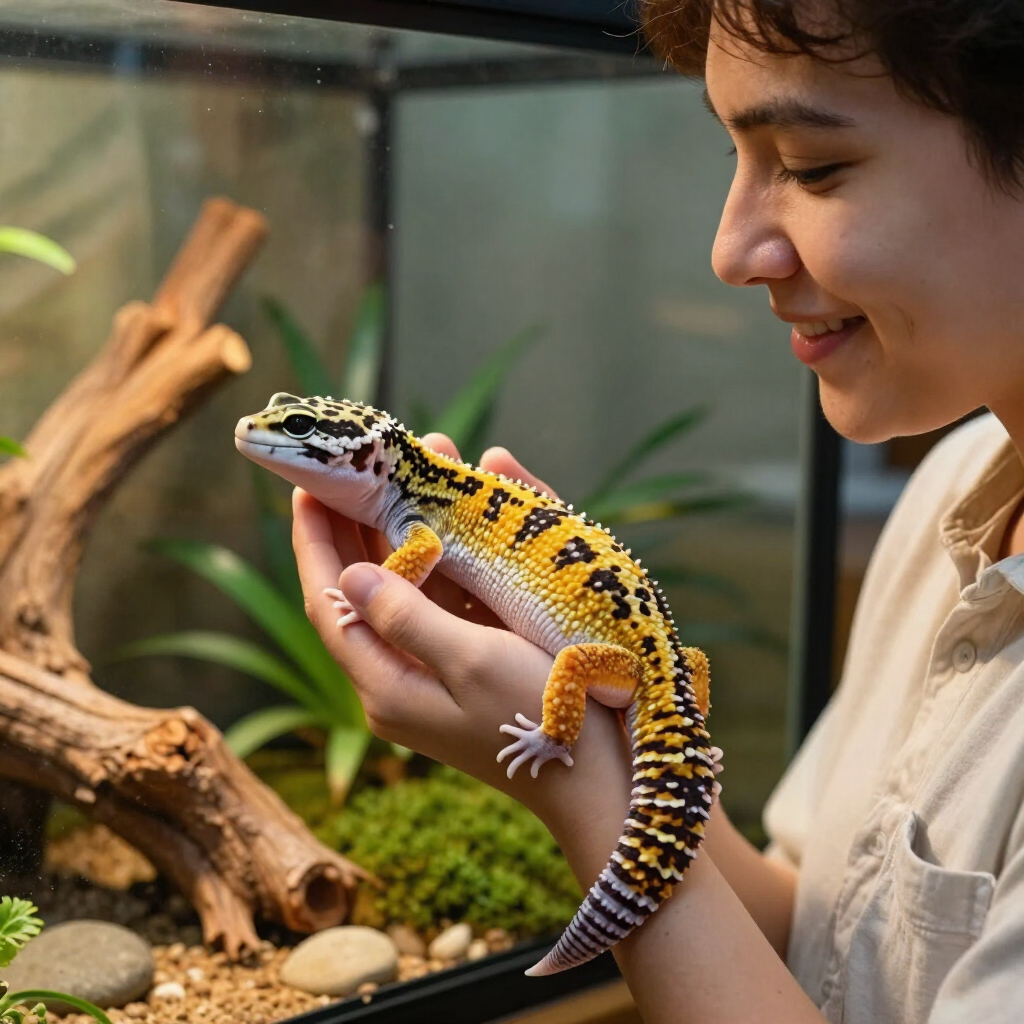
Get Personalized Reptile Care Support
Have questions about your reptile’s needs or habitat? Our team at Muskoka Aquatics is ready to provide tailored advice to help your pet thrive. Reach out via phone or email for expert guidance on feeding, environment setup, or health concerns. We’re here to support your reptile care journey every step of the way. Click below to fill out our easy to use contact form!